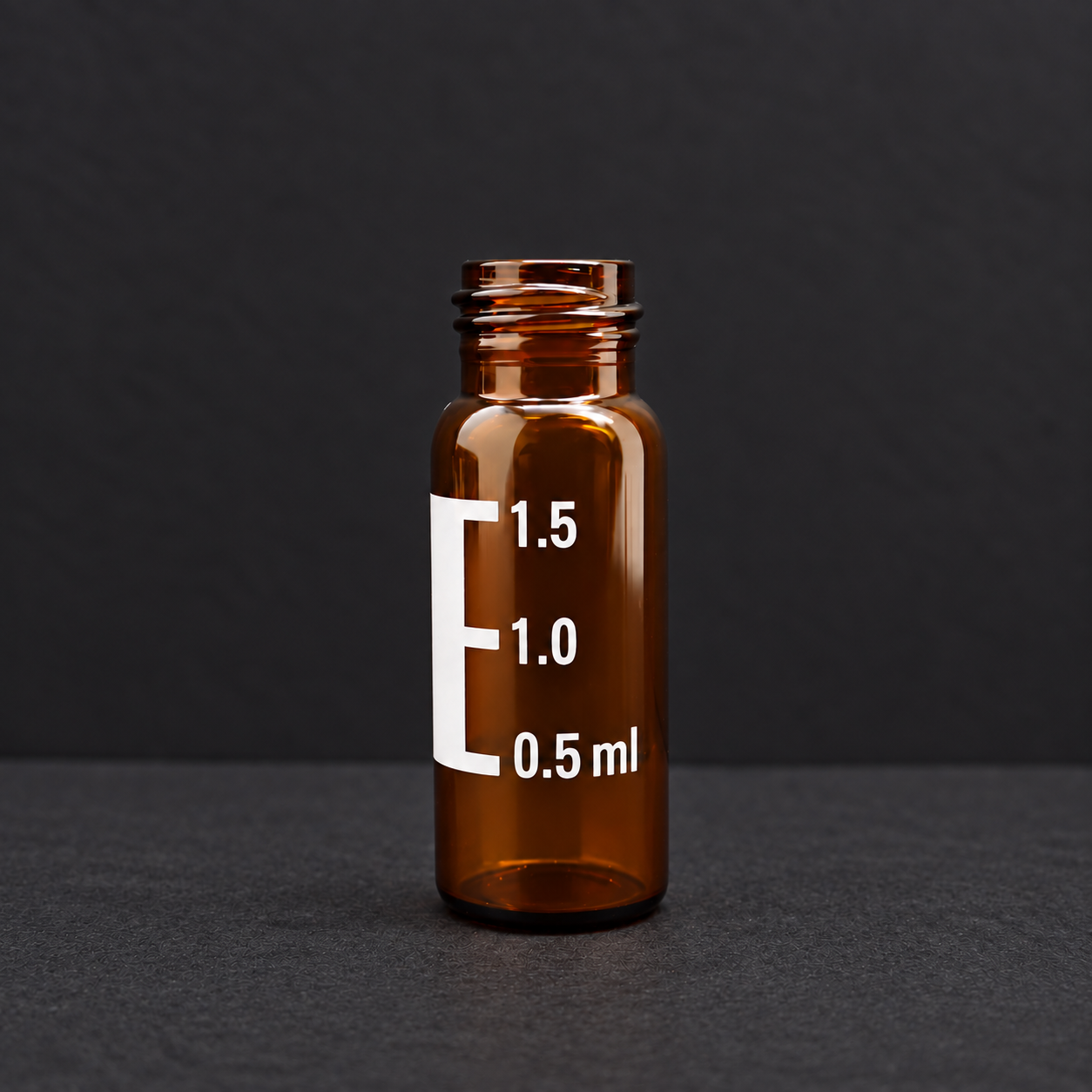
BSBAV02
2ml Glass Vial, Screw neck, Amber, with marking
In BSBAV02 vial, amber coloration is achieved through the controlled incorporation of metal oxides into the glass matrix, enabling selective absorption of UV and short-wavelength visible light (approximately 200–450 nm).......... No More
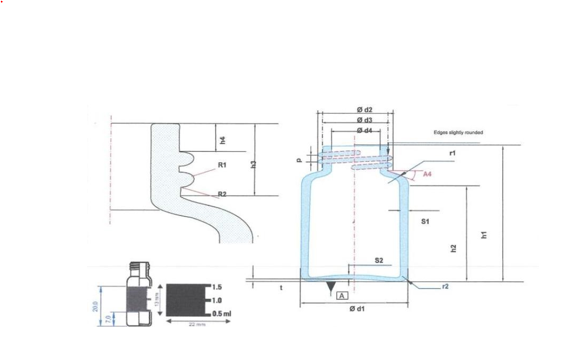
Product Details/Specifications –
| Part No. | BSBAV02 |
|---|---|
| Make | BSB |
| Product Type | Screw Type Glass Vial |
| Thermal Expansion | 49 |
| Glass Type | Type I Borosilicate glass |
| Tubing | Schott |
| Surface | Hydrophobic |
| Compatibility | Waters, Agilent, Shimadzu, Perkin Elmer, Thermo |
| Vail Height | 32 mm |
| Vial Base | 12 mm |
| Glass Tint | Amber |
| Volume | 2 ml |
| Overflow Capacity | 1.92 ml |
| Instrument Type | LC/MS, UHPLC |